Practical guide for gardeners & small farms
How to Use Biochar
Start here
The 4-step method
Biochar is most effective when it’s pre-loaded with nutrients and microbes, then blended into the root zone. Use this process for veggie beds, orchards, and small-scale growing.
1) Choose the right biochar
Use a clean, high-carbon biochar made for soil. Aim for a consistent particle size (a mix of fines + small chunks is ideal).
2) Charge (inoculate) it
Soak biochar in nutrient-rich liquids (compost tea, worm juice, diluted fish/seaweed) or mix with mature compost. This prevents temporary nutrient drawdown.
3) Blend into the root zone
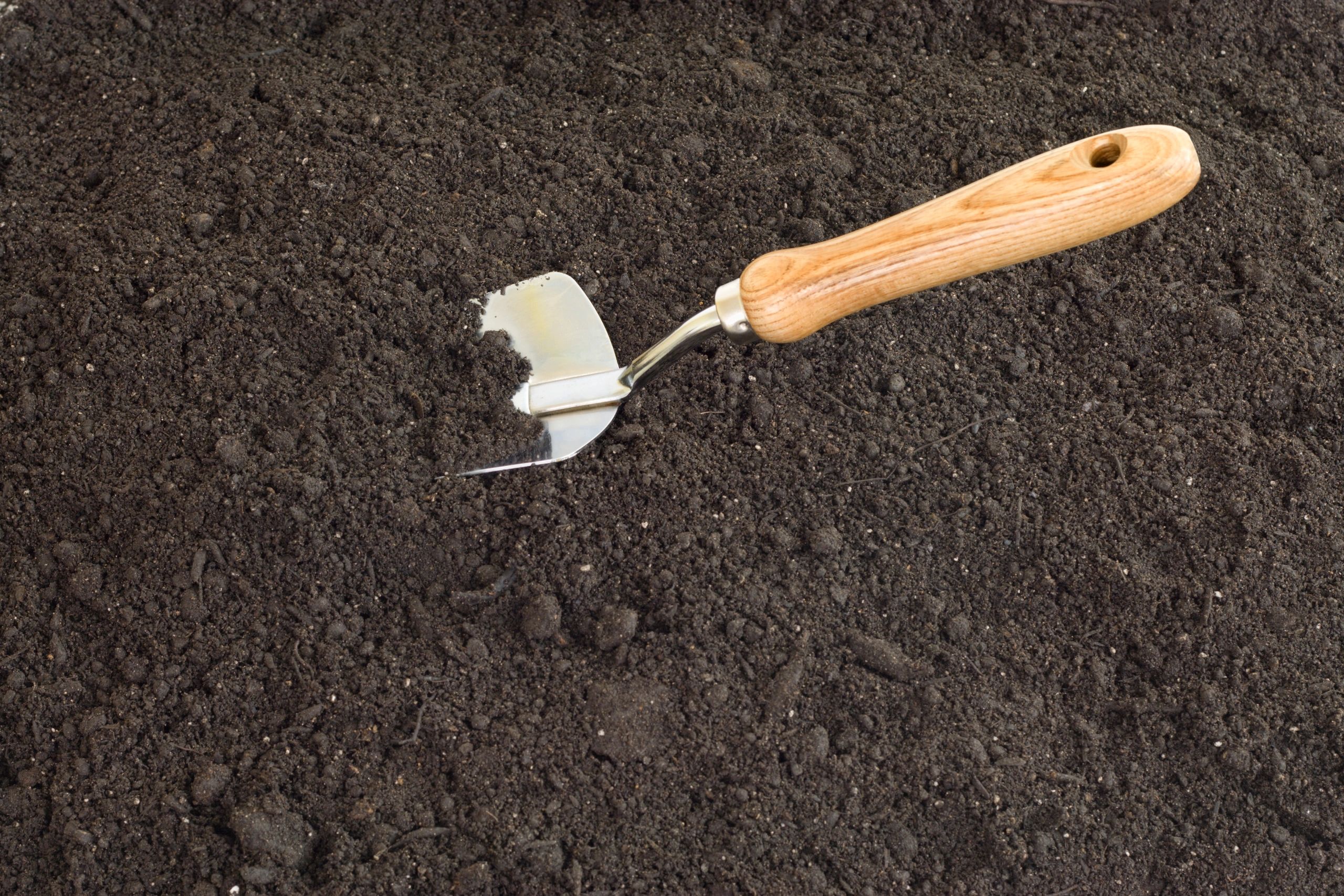
Mix into the top 10–20 cm of soil, or incorporate into potting mixes. Water in well so it connects with soil biology.
4) Combine with complementary materials
Biochar is long-lasting, but your soil still needs organic matter. Pair with compost, clay powder, rock dust, mulch, and diverse plant roots for best results.
Veggie beds
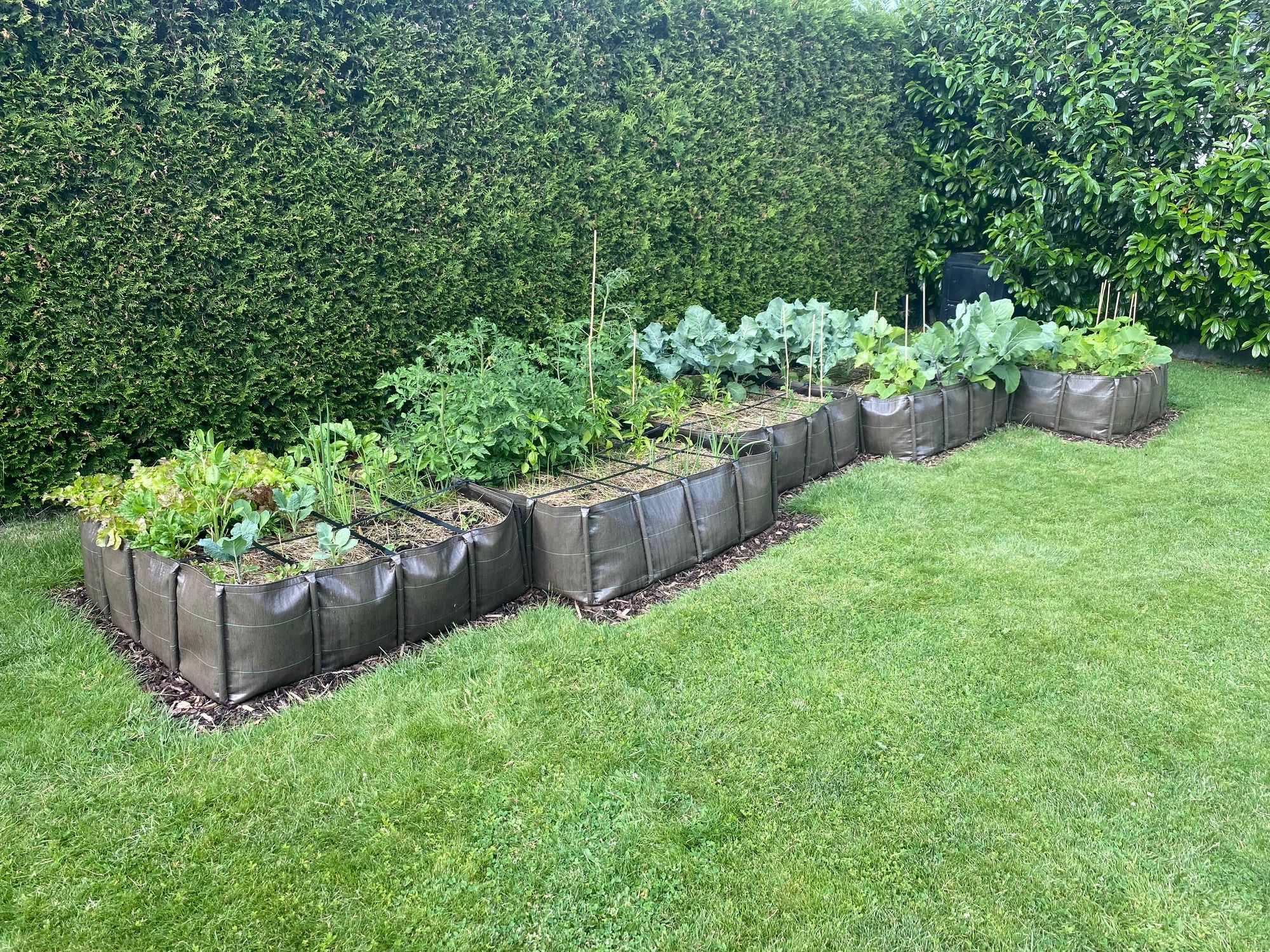
Mix in 1–2 L per m² (charged). Repeat each season until you reach your preferred soil feel.
Potting mixes & seedlings
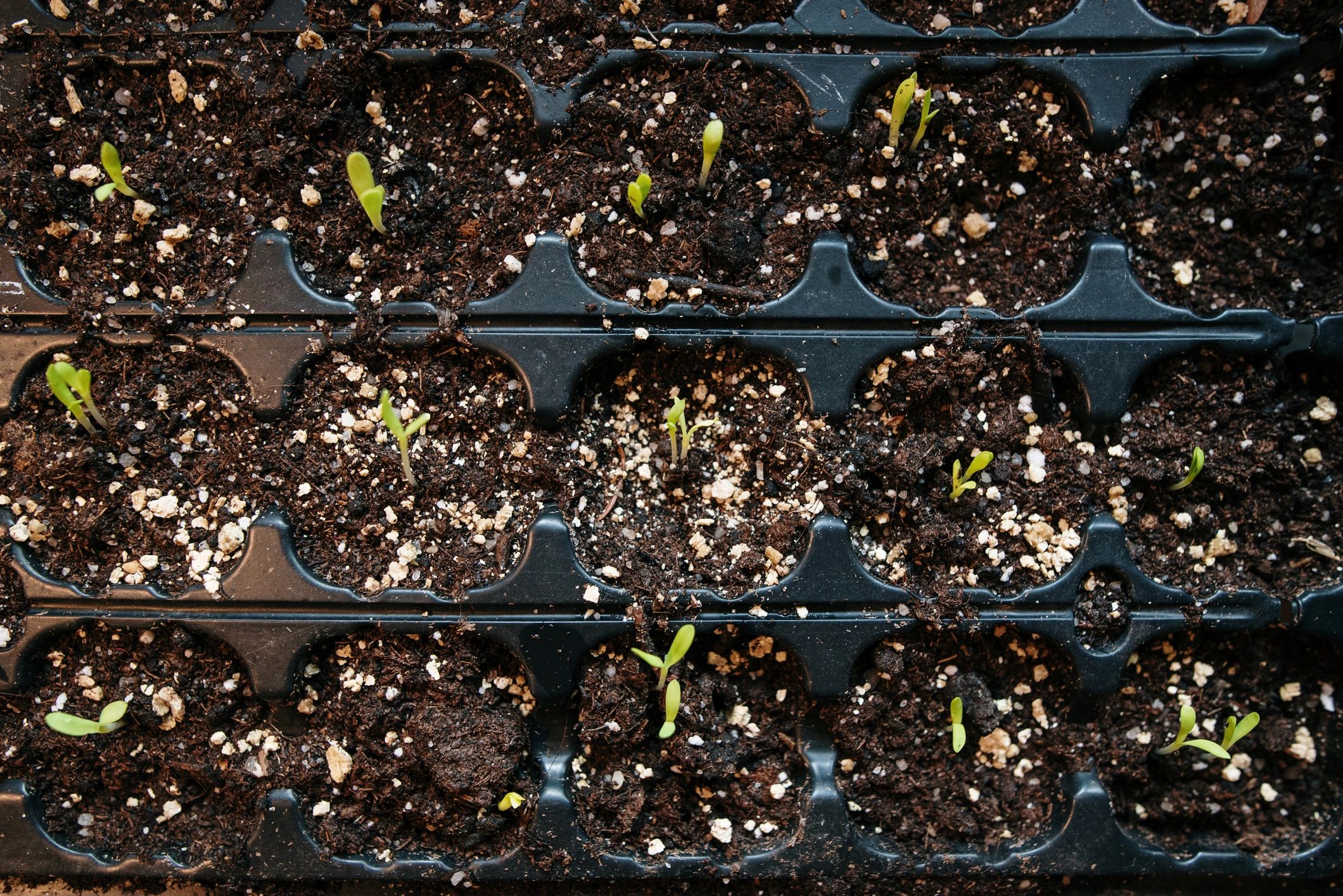
Blend 5–10% charged biochar by volume. For sensitive seedlings, start at 5% and observe.
Orchards & perennials
Top-dress and lightly incorporate 1–3 L per m² under the drip line, then mulch and water in.

Compost & worm farms
Add 5–10% by volume to compost or worm bedding to reduce odour and improve nutrient retention.

Common questions
Short answers to the most common “how do I use it?” questions. For deeper support, join a Capchar workshop.
Do I have to charge biochar first?
It’s strongly recommended. Charging loads biochar with nutrients and microbes so it supports plants right away instead of temporarily tying up available nutrients.
What’s the easiest way to charge it?
Mix biochar with mature compost (or worm castings) and keep it moist for 1–2 weeks. You can also soak it in compost tea or diluted seaweed/fish.
Can I apply biochar as a top-dress?
Yes—apply a thin layer, then lightly rake in and cover with mulch. Water well so it settles into the soil surface and connects with biology.
Will biochar change my soil pH?
It can, depending on the feedstock and how it’s made. If you’re unsure, start with smaller rates and consider a simple soil test.
How often should I apply it?
Many gardeners apply small amounts seasonally. Biochar persists for years, so you can build up gradually rather than doing one heavy application.
Is biochar safe for veggie gardens?
When it’s produced cleanly and intended for soil use, yes. Avoid char from treated timber or contaminated sources.