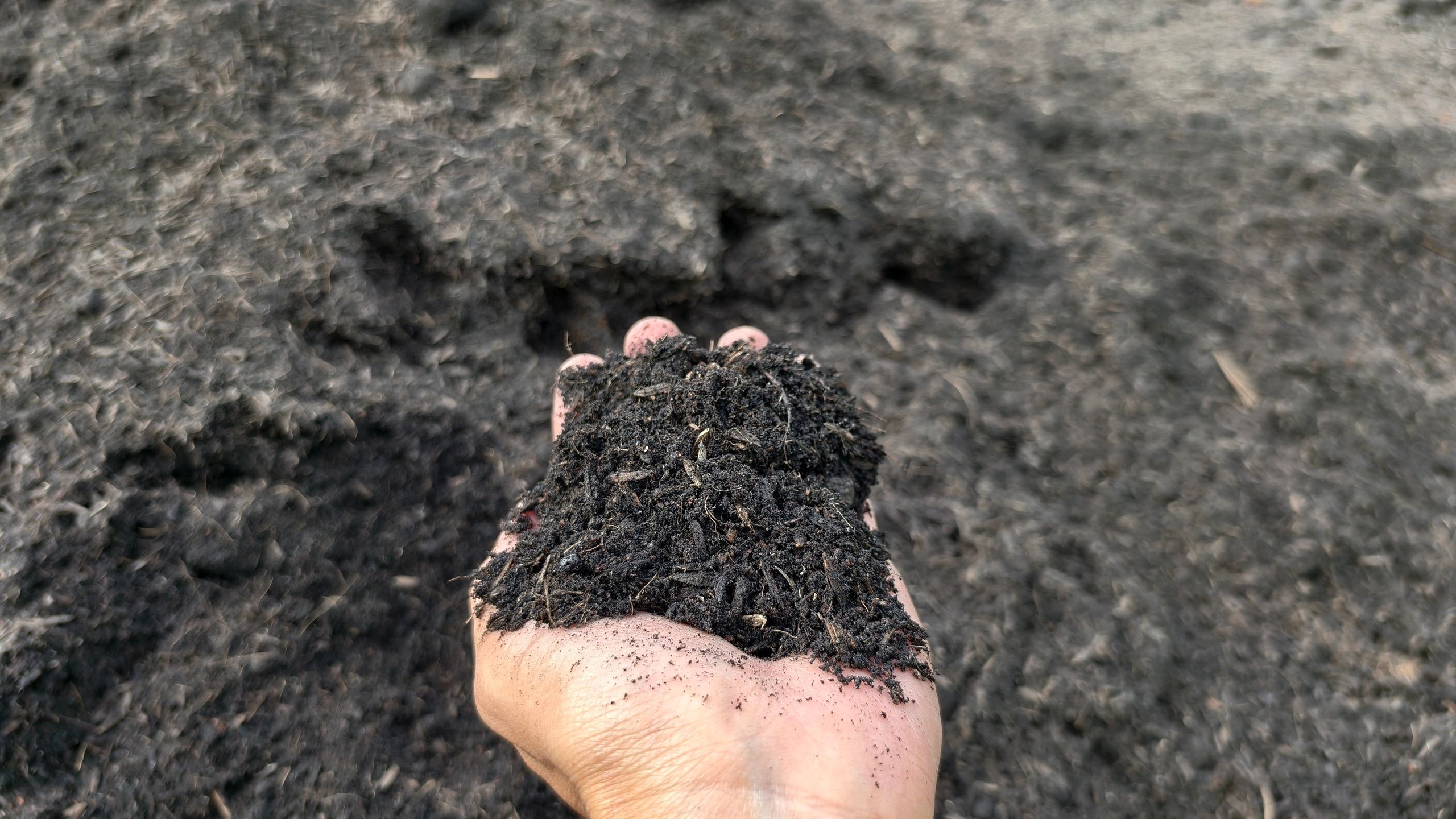
Capchar Biochar
Biochar for healthier soil and stronger plants
Premium biochar for gardeners and small-scale growers—plus practical training to help you get results in your beds, orchards, and paddocks.
Why gardeners love biochar
Biochar is a stable form of carbon that supports long-term soil improvement. When it’s properly charged and blended, it can help your soil perform better season after season.
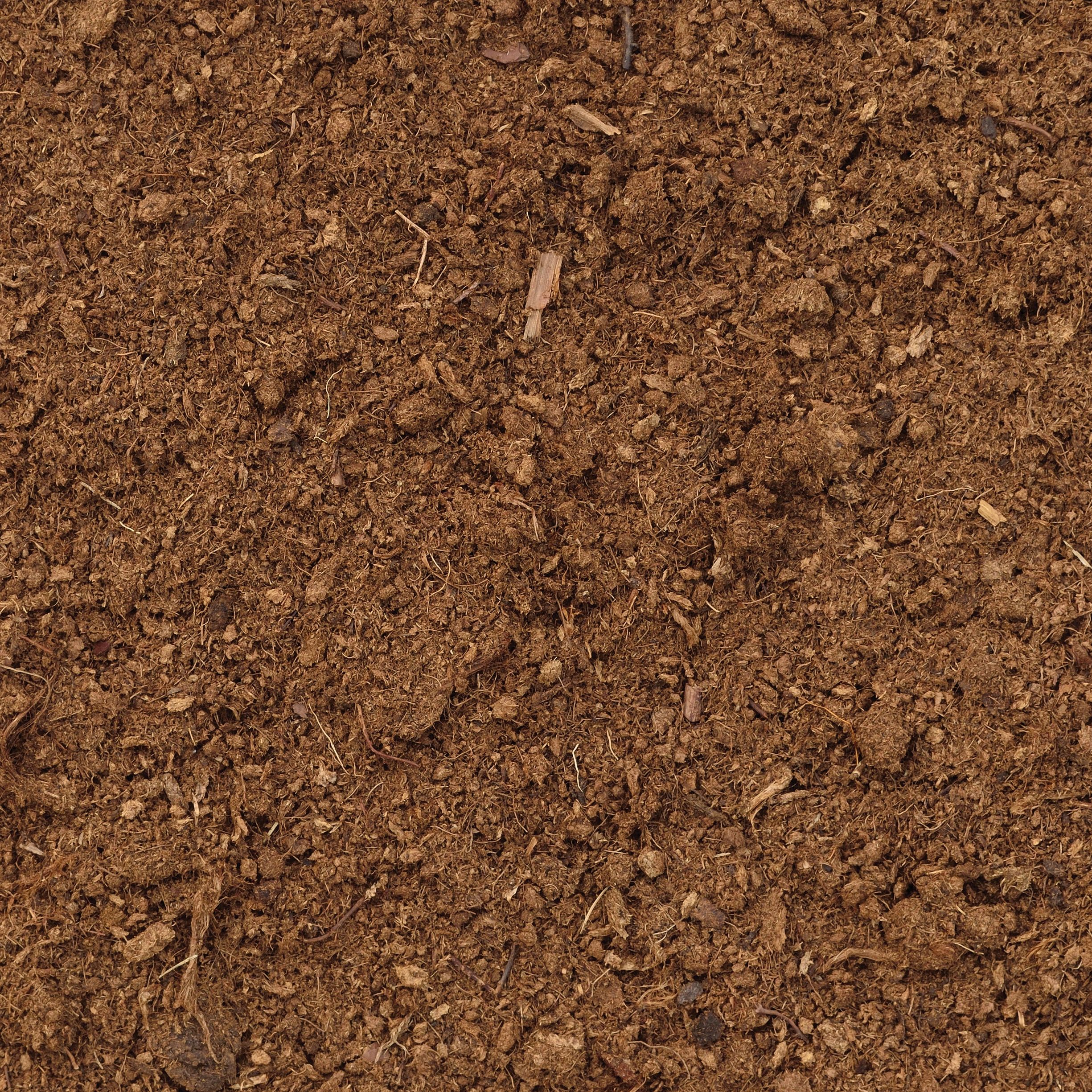
Better water holding
Porous structure helps soil hold moisture while still draining well—great for raised beds and sandy soils.
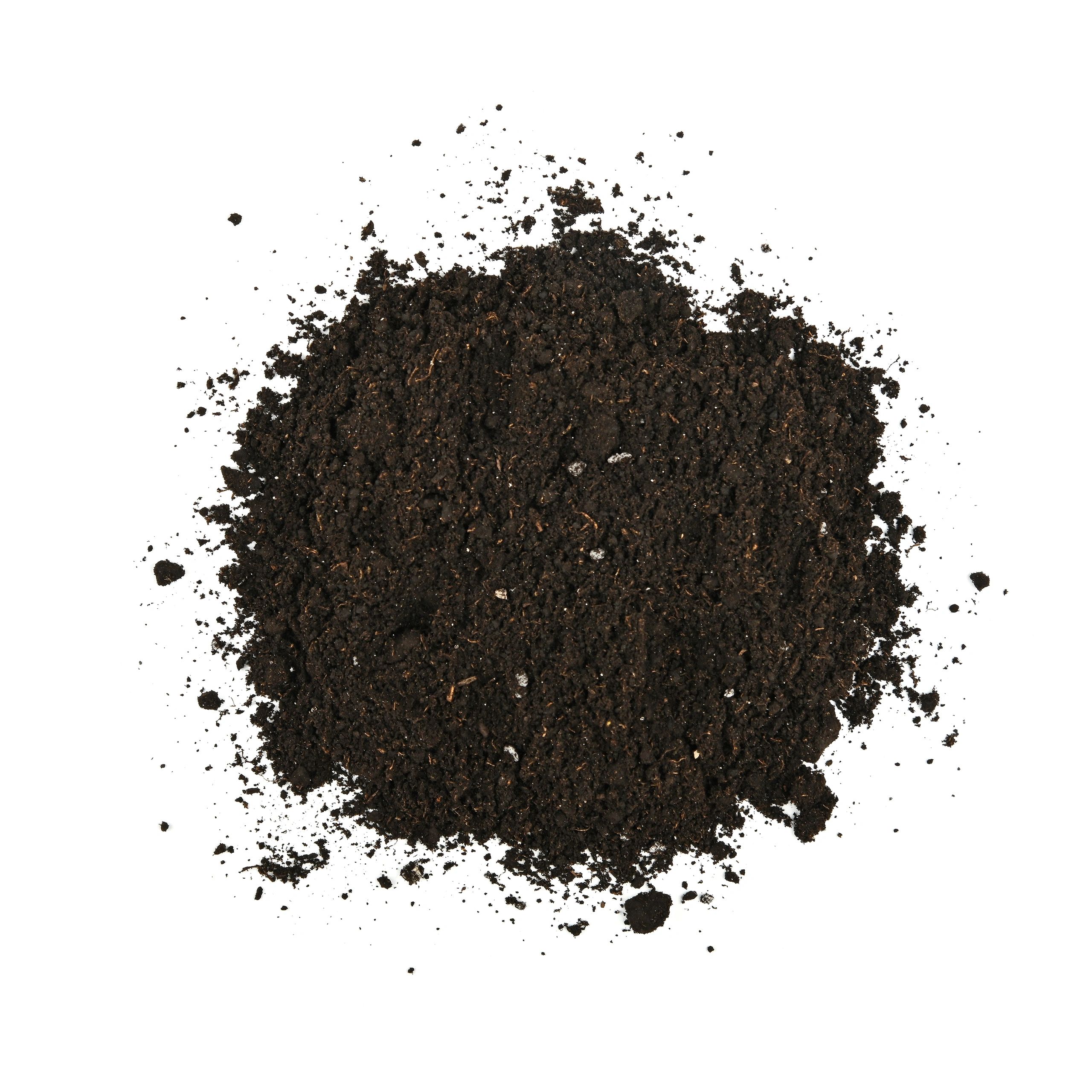
Nutrient efficiency
Provides habitat for beneficial microbes and can help reduce nutrient losses through leaching.
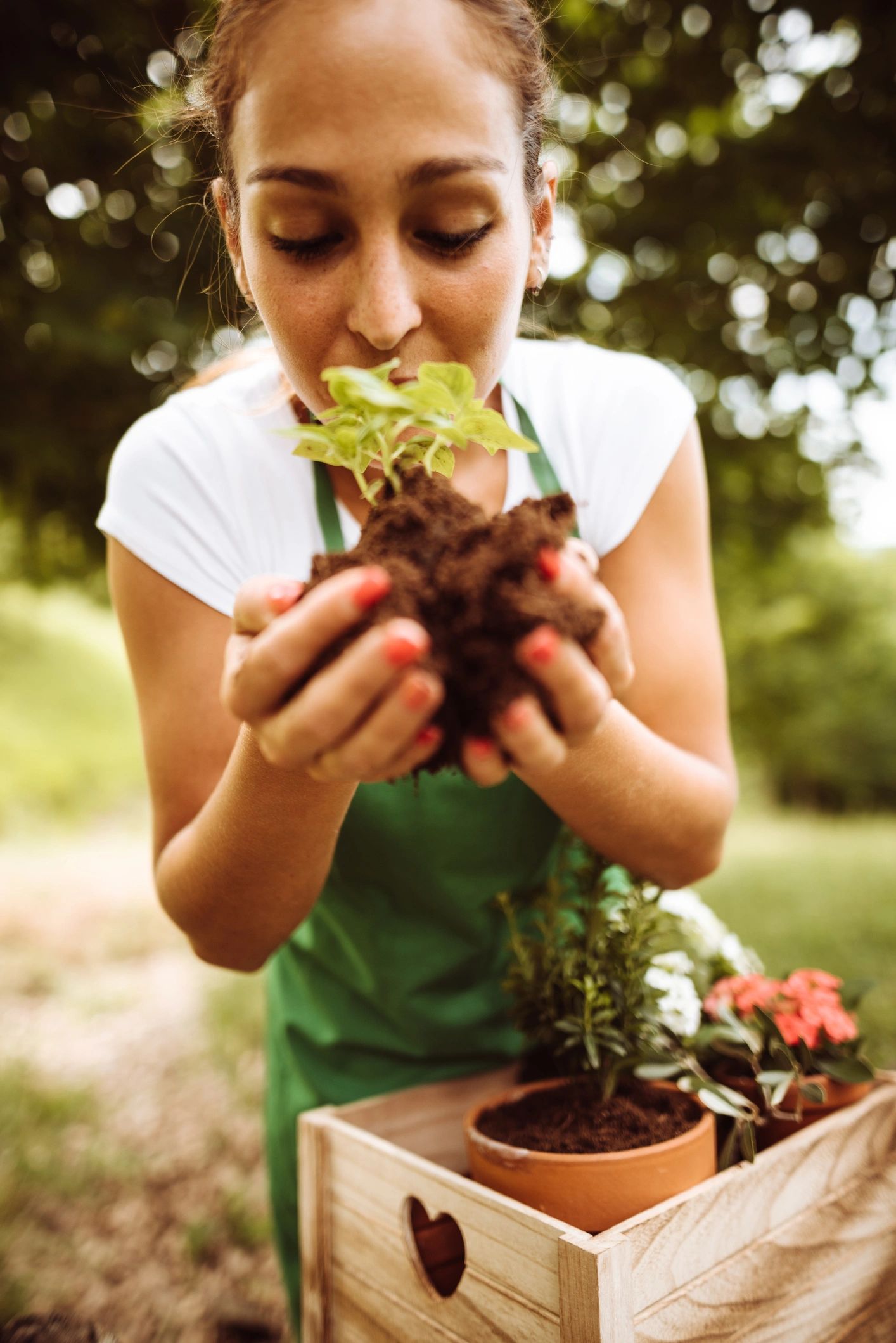
Improved structure
Supports aggregation and aeration—helpful for compacted or tired garden soils.
Long-term soil health
Unlike many amendments, biochar is persistent—building resilience over time.
Getting started
How biochar works (and how to use it well)
Biochar performs best when it’s charged (pre-loaded with nutrients and biology) and applied at sensible rates. Here’s the practical approach we teach and use.
1) Charge it
Soak or mix biochar with compost, worm castings, compost tea, urine dilution, or a balanced organic fertiliser so it doesn’t temporarily tie up nutrients.
2) Blend it
Mix into compost, potting mixes, or topdress and lightly incorporate. Aim for an even distribution rather than pockets of pure char.
3) Apply at the right rate
Start small and observe. Many gardeners do well around 5–10% by volume in mixes, or light applications worked into the topsoil.
4) Keep it biologically active
Pair biochar with organic matter and living roots. The combination of compost + biochar is where the magic happens for soil life.
Biochar FAQs
Quick answers to common questions from gardeners and small growers.
Is biochar the same as charcoal?
Biochar is a type of charcoal made specifically for soil use, produced under controlled conditions and screened for quality.
Do I need to “charge” biochar?
Yes—charging helps prevent temporary nutrient tie-up and gets biology established in the pores before it goes into your soil.
How long does biochar last in soil?
Biochar is very stable. It can persist for years to decades, supporting long-term soil improvement.
Will biochar change my soil pH?
It can, depending on the product. If you’re managing pH-sensitive crops, start with a small trial and monitor results.
Can I use biochar in pots and seed raising mixes?
Yes—use fine-grade, charged biochar and keep rates modest. It pairs well with compost and quality potting media.
Do you run local workshops?
Yes—Capchar runs practical courses and workshops for gardeners and small farms in South East Queensland. Check the schedule or contact us for group training.